Not every experiment becomes a permanent habit. One workflow I tested for three weeks produced more checking than savings. I stopped using it. The failure itself taught me more than some of the successes.
Let’s see what it does on a real Tuesday.
The Workflow I Tried
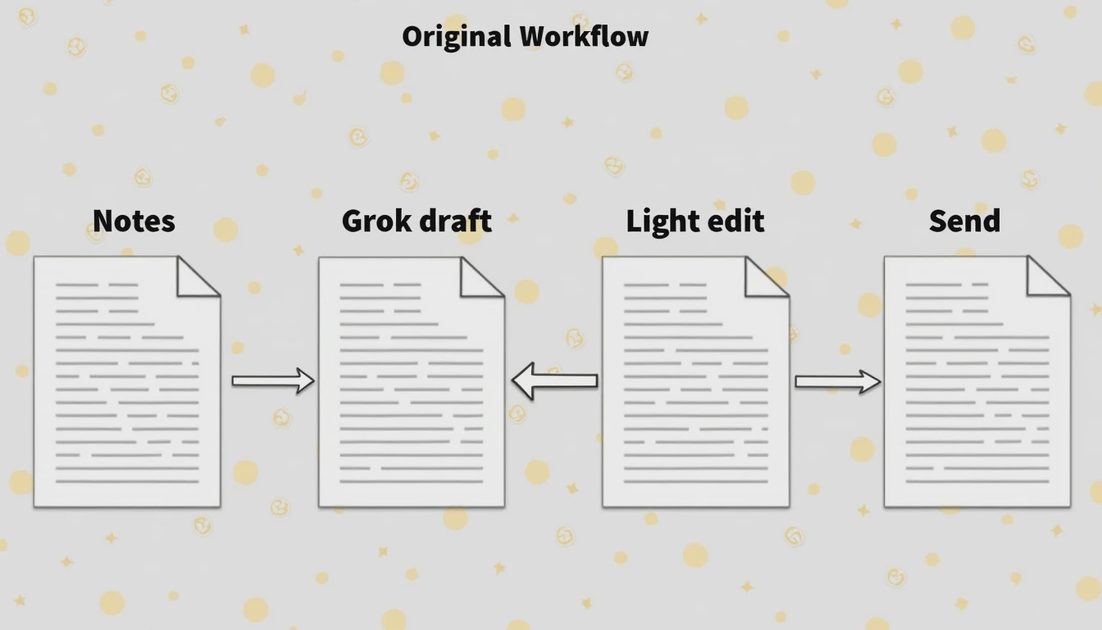
I attempted to use Grok as the first drafter for all routine stakeholder status emails. The idea was simple: feed the latest notes, get a draft, edit lightly, send.
What Actually Happened
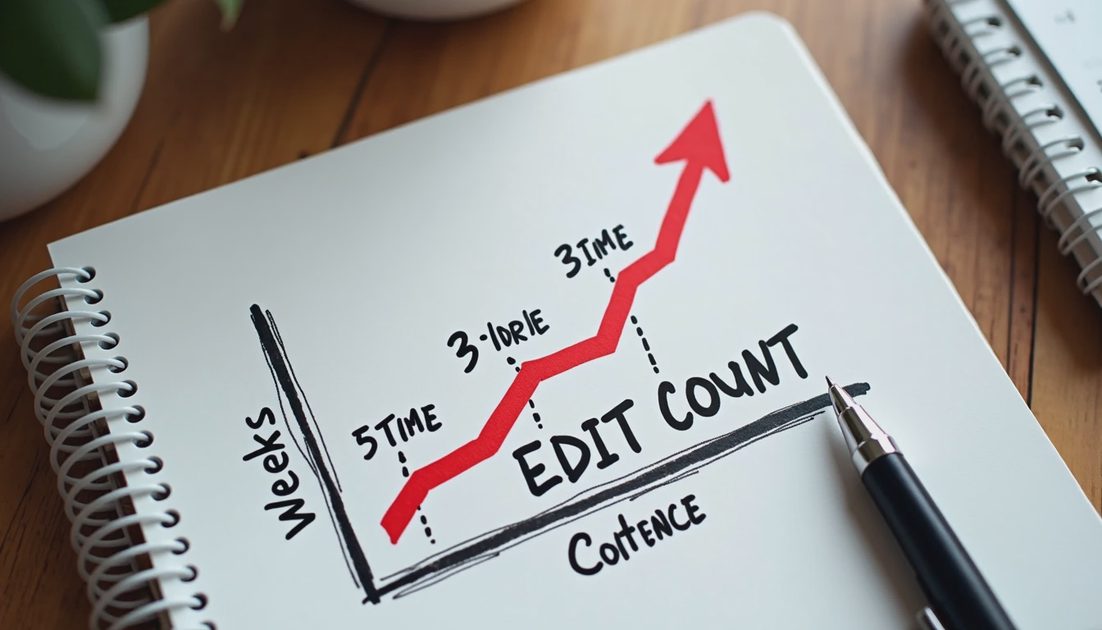
Week | Drafts generated | Average edit time | New verification issues | Net feeling |
|---|---|---|---|---|
1 | 6 | 8 min | 2 tone mismatches | Cautiously positive |
2 | 7 | 11 min | 3 missing context items | Neutral |
3 | 5 | 14 min | 4 corrections from stakeholders | Negative |
By the third week the edit and correction time had erased the original speed gain.
Why It Failed
Status emails carry a lot of unspoken context that never appears in the notes
Tone needs to shift for different stakeholders in ways that are hard to specify quickly
A small factual slip in a status update creates more follow-up work than the draft saved
What I Kept From the Failure
Even though I stopped the workflow, three useful things remained:
A clearer personal rule about which email types are worth drafting with Grok
A short list of context fields I now force myself to include when I do use Grok for email
Confirmation that “fast first draft” is not automatically a win if the correction cycle grows
Revised Rule I Use Now
I still use Grok for email drafts, but only when:
The email is primarily a summary of written material already in front of me
The audience is internal and familiar
The cost of a small tone or context miss is low
I no longer use it as the default first drafter for stakeholder status updates.
Why Publishing the Failure Matters
Most write-ups only show the workflows that worked. The ones that failed under real conditions are equally useful. They prevent other people from spending the same three weeks learning the same lesson.
Practical Takeaway
A workflow that increases total time or risk should be stopped, even if the original idea looked efficient. The decision to stop is itself a form of professional judgment. Grok remains in my toolkit for other tasks. This particular use case did not earn a permanent place.
Less hype, more shipped work. The experiment failed cleanly. The notes from the failure are now part of how I evaluate the next idea.
Detailed Reasons the Edit Time Grew
By week three the average edit time had risen because:
I was adding missing context that never appeared in the source notes
Tone adjustments for different stakeholders required multiple passes
Small factual slips triggered clarification emails that took longer than the original draft
The first draft was fast. The path to a sendable email was not.
What a Useful Failure Looks Like
A useful failure has three traits:
The data is clear enough to support stopping
The lesson can be turned into a simple rule
The rule prevents repeating the same cost
This experiment met all three. The rule about which emails are worth drafting with Grok is now part of my Monday setup.
How I Decide to Stop
I stop a workflow when the net time or risk trend is negative for two consecutive weeks and the cause is structural rather than a one-off bad input. Waiting for a perfect data set usually means continuing a bad habit longer than necessary.
Current Status
Grok remains in regular use for meeting-note extraction, research inventories, and certain internal summaries. The stakeholder status-email use case stays offline. The distinction is deliberate and so far stable.
The larger point is that stopping is a professional skill. Tools do not only succeed or fail in the abstract. They succeed or fail inside specific workflows under real time pressure. Recording the failures keeps the toolkit honest.
What the Failure Clarified About Email
Status emails sit at an awkward intersection: they look like summary work (which Grok handles well) but they actually depend on unstated context, relationship history, and political awareness (which Grok cannot see). That mismatch is why the drafts looked promising and then required growing amounts of repair.
Other email types do not share the same problem. A pure summary of a written document, or a routine internal update with low stakes, still benefits from a Grok first draft. The failure taught me to separate those categories instead of treating “email” as a single use case.
How I Log Failures Now
I keep a short private note with three fields:
Workflow tested
Why it failed (time, risk, or both)
Rule that remains
The note takes less than two minutes to write and has already prevented me from re-trying a similar idea under a different name. Failures that are not recorded tend to reappear as “new” experiments.
Advice I Give Colleagues
“If the correction cycle is growing, stop. Do not wait for a dramatic failure. A slow increase in edit time is enough evidence.”
That advice is more useful than any success story I have shared. It gives people permission to shut down a workflow that is quietly costing them time.
Less hype, more shipped work. The experiment failed. The rule that came out of it is still saving time every week.