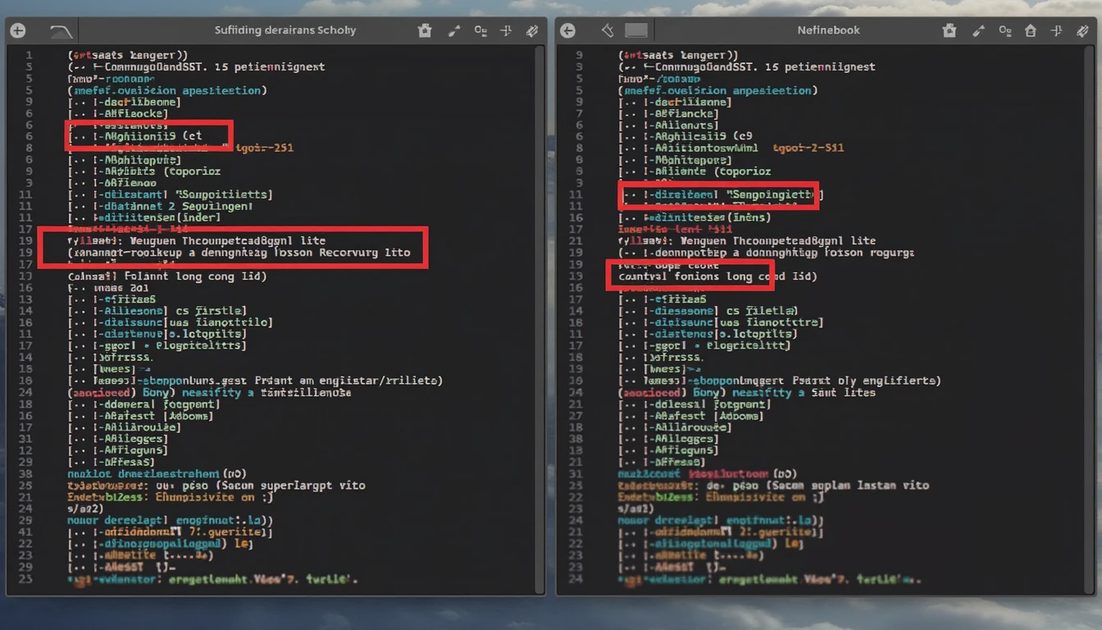
Grok often improves the flow and readability of a draft. Sometimes that improvement quietly removes a necessary qualification, softens a precise claim, or drops a limitation that mattered. The result looks better and is less accurate.
This post records how I catch that pattern and what I do about it.
Let’s see what it does on a real Tuesday.
The Pattern I Watch For
After a Grok rewrite I specifically scan for:
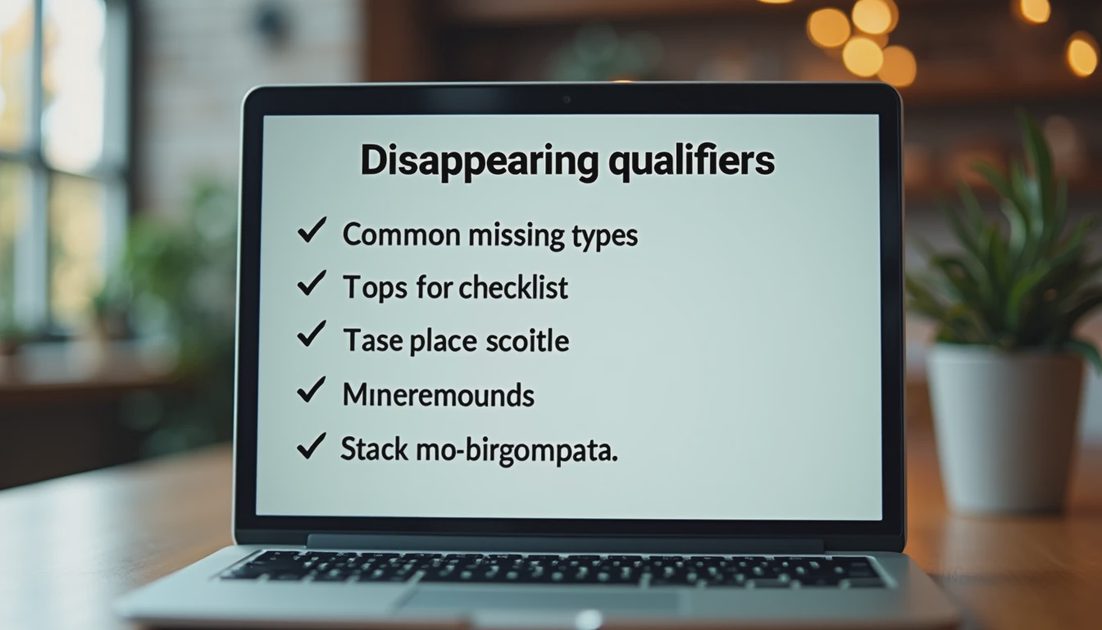
Qualifiers that disappeared (“currently,” “in most cases,” “when X is true”)
Numbers or names that became more general
Limitations that were cut for length or smoothness
Claims that now sound more certain than the source material
Side-by-Side Example
Original sentence
“The feature reduces manual tagging for most mid-market accounts when the data is already structured.”
Grok-cleaned version
“The feature reduces manual tagging for mid-market accounts.”
The second sentence is cleaner. It is also less accurate. The conditions mattered.
Accuracy Check Table
Change type | Frequency in my tests | Risk level | Typical fix |
|---|---|---|---|
Dropped qualifier | Common | Medium–High | Restore the condition |
Softened limitation | Occasional | High | Reinstate the boundary |
Generalized number | Occasional | Medium | Return to source figure |
Added confidence | Common | Medium | Tone back to source level |

The Three-Pass Review I Use
Flow pass — Does the text read more clearly? (This is where Grok usually wins.)
Fact pass — Does every claim still match the source? (This is where I catch losses.)
Implication pass — Does the new wording imply anything the source did not say?
I never skip the second and third passes when the output will be seen by stakeholders or customers.
Prompt Language That Helps
I now include this line in most rewrite prompts:
“Improve clarity and flow. Do not remove qualifiers, limitations, or conditions. Do not increase the certainty of any claim beyond the source.”
The instruction reduces but does not eliminate the problem. The human passes remain necessary.
When Cleaner Is Still Worth It
Sometimes the original draft is so tangled that a Grok rewrite plus careful restoration of the key qualifiers is still faster than editing the original by hand. In those cases I treat Grok as a structural editor and myself as the accuracy editor. The division works when I stay disciplined about the fact and implication passes.
When I Skip Grok for Copy
The draft is already clear and the risk of losing a nuance is high
The text will be used in regulated or externally audited materials
I am under extreme time pressure and cannot afford a second accuracy pass
In those situations the safer path is manual editing only.
Practical Judgment
Grok is good at making copy cleaner. It is less reliable at preserving every condition that made the original accurate. The combination of a constrained prompt and a deliberate three-pass review keeps the benefit while controlling the risk.
Less hype, more shipped work. Cleaner is only useful when it is still true. The review that protects the truth is the part of the workflow I will not automate away.
Real Cost of Skipping the Fact Pass
On one occasion I sent a cleaned version that had dropped a key limitation. The stakeholder reply was polite and pointed: “This version overstates what we can promise.” The correction email took longer than the original rewrite. That single incident paid for every future fact pass.
How I Train the Habit
I keep a short personal log of “cleaner but less accurate” examples. Reviewing the log once a month keeps the pattern visible. It also supplies concrete before-and-after pairs I can show colleagues who are new to using Grok for copy work.
Boundary for External Content
Any text that will appear in customer-facing materials, partner decks, or public pages receives the full three-pass review without exception. Internal working drafts can sometimes use a lighter check. The distinction is deliberate: the cost of an accuracy miss rises sharply once the words leave the building.
Current Status of the Workflow
I still use Grok for first-pass clarity improvements on many drafts. I no longer treat the cleaned output as ready. The three-pass review is a permanent step. The prompt constraint helps. The human check decides.
The combination produces copy that is both easier to read and still faithful to the source. That is the only outcome worth keeping.
I have also started noting which types of source material are most vulnerable to the “cleaner but less accurate” pattern. Dense technical notes and carefully caveated stakeholder language lose the most. Simple, already-clear drafts lose the least. That observation now influences whether I reach for Grok at all on a given piece of copy.
The practical rule I follow today is straightforward: use Grok to improve flow when the draft is tangled, then immediately run the fact and implication passes. Never let the improved flow become the final authority on what the text is allowed to say. Accuracy remains a human responsibility.