Grok can synthesize information quickly. That speed creates a quiet risk: the synthesized statement can feel like a source even when it is only a summary. I use a simple separation method to keep the two categories distinct.
Let’s see what it does on a real Tuesday.
The Core Distinction
Source says: a claim I can point to in an original document, page, or data set
Grok said: a statement that appears in the model’s output but is not yet verified against a source
I never let the second category travel into final work without becoming the first.
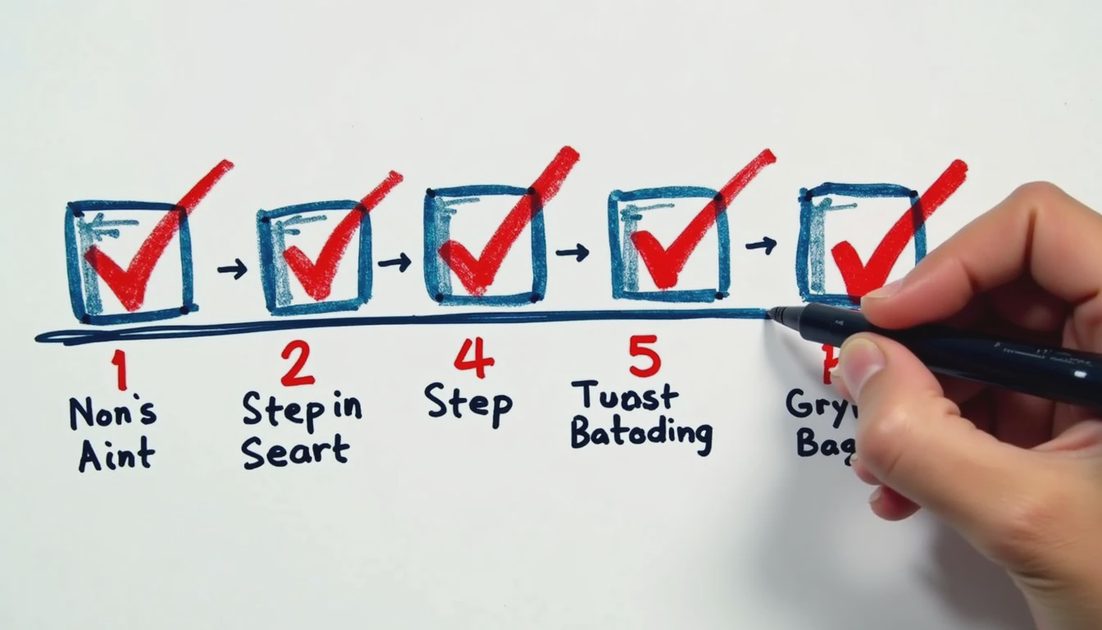
The Separation Workflow
Generate the Grok output
Highlight every specific claim (numbers, names, causal statements, absolute language)
For each highlighted claim, open the original source or mark it as unverified
Rewrite or remove anything that cannot be anchored
Only then treat the text as ready for further editing
Practical Tracking Table
Claim from Grok | Found in source? | Action |
|---|---|---|
Specific metric | Yes / No | Keep / Remove or qualify |
Named feature behavior | Yes / No | Keep / Verify further |
Causal link | Yes / No | Keep only if source supports |
General summary language | Usually yes | Light review |

Tools I Use for the Check
Browser tabs with the original sources kept open
A simple highlight color for “needs source”
A final search inside the source documents for key phrases
The method is deliberately low-tech. Complex systems get abandoned under deadline pressure. A highlight-and-check habit survives.
Common Failure Modes This Catches
A number that was rounded or approximated by Grok
A feature description that mixes two different capabilities
A conclusion that is plausible but not stated by any source
Softening or strengthening of the original language
When I Apply the Full Separation
Any text that will be seen by stakeholders or customers
Research briefs that support decisions
Competitive or product claims
Internal working notes can sometimes use a lighter version of the check. External or decision-facing text receives the full process.
Prompt Support
I include this line when the output will be used for anything beyond personal notes:
“For every specific claim, indicate the source or mark as [UNVERIFIED]. Do not present unverified statements as fact.”
The instruction helps but does not replace the human separation step.
Practical Judgment
Grok is a fast synthesizer. It is not a source. Keeping those two roles separate is one of the highest-leverage habits in my use of the tool. The separation takes time. The time is cheaper than correcting a claim that traveled too far.
Less hype, more shipped work. “Grok said it” is a starting point. “The source actually says it” is the only version that leaves my desk.
Why the Distinction Matters More Over Time
The longer I use Grok, the more natural its phrasing becomes. That naturalness is useful for speed and dangerous for verification. A statement that sounds finished is easier to accept without checking. The separation workflow is the deliberate friction that keeps acceptance from becoming automatic.
Team Habit
I encourage colleagues to keep a visible reminder near their workspace: “Source or unverified?” The question is short enough to ask under pressure and strict enough to change behavior. Several people have adopted a highlight color for unverified claims; the shared visual language makes review conversations faster.
When the Method Feels Slow
On days with heavy volume the separation step can feel like extra work. Those are the days it is most necessary. Volume increases the chance that a single unverified claim travels into a shared document. The cost of the check is still lower than the cost of a later correction cycle.
Current Status
The separation method is now a default step for any Grok output that will influence a decision or leave my immediate control. It is not applied with the same rigor to private scratch notes. The distinction is intentional and so far stable. Grok continues to accelerate synthesis. The human continues to own the link between the synthesis and the source.
Concrete Example of the Separation in Action
Grok output: “The new reporting feature cuts manual work by roughly half for most teams.”
Source check: The original announcement said “early customers report meaningful reductions in manual tagging when data is already structured.”
Action: I rewrote the sentence to match the source language and added the condition. The cleaner Grok version was tempting; the source-aligned version was accurate.
That single rewrite took less than a minute. Sending the unverified version could have created a much longer clarification cycle later.
How the Habit Scales
I do not run the full separation on every casual exploration. I reserve it for:
Text that will be forwarded
Numbers that will be repeated
Claims that could influence a decision
The selectivity keeps the habit sustainable. Applying maximum rigor to every interaction would slow the work more than the tool accelerates it.
What I Tell New Users
“Treat Grok like a fast junior colleague who is good at drafting and bad at knowing what must be checked. Your job is to decide what needs a source and then supply the check.”
That framing has helped several people adopt the separation habit without feeling that they are fighting the tool.
Less hype, more shipped work. Speed is useful. Speed without a source check is how small inaccuracies become shared facts. The separation step is the control that keeps the speed honest.