A campaign brief arrived that looked complete. It had objectives, audience notes, key messages, and a timeline. When I read it carefully, several important questions were still unanswered. I used Grok to help surface those gaps before the brief went further.
Let’s see what it does on a real Tuesday.
The Prompt I Used
“Here is a campaign brief. List every question that a writer, designer, or stakeholder would still need answered before they could execute confidently. Do not invent new requirements. Only flag what is missing or ambiguous in the provided text.”
What Grok Surfaced
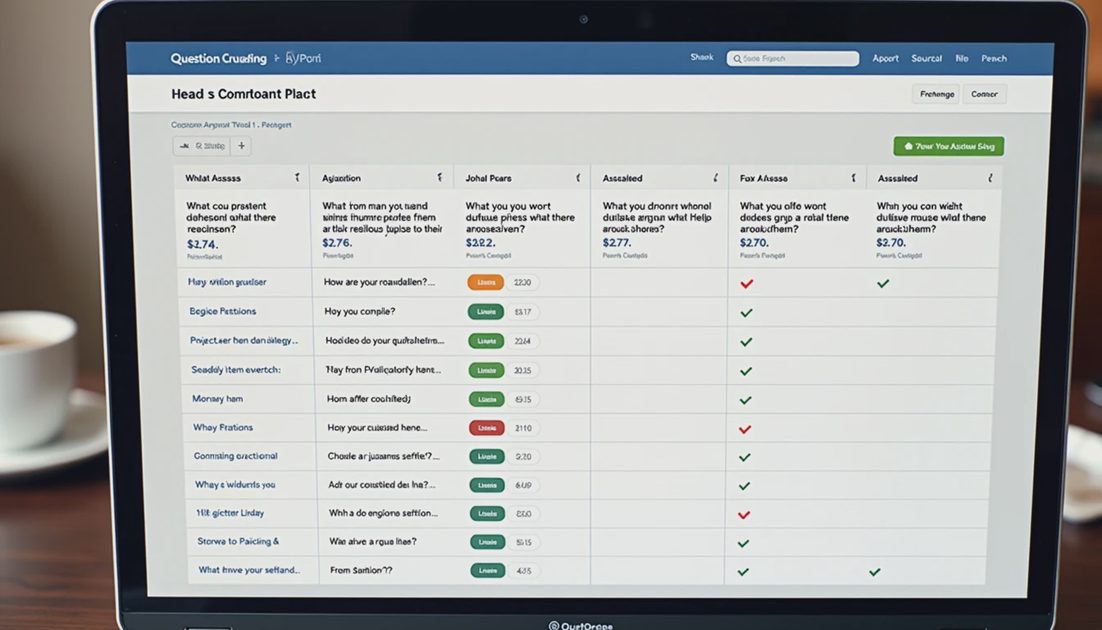
The output included questions such as:
What is the single primary call to action?
Which metric will define success for this campaign?
Are there mandatory legal or compliance lines?
Which audience segment takes priority if space is limited?
Who owns final approval on creative?
Most of these were genuinely unanswered in the original brief. A few were only partially addressed.
Usefulness Check
Question type | Present in original brief? | Action taken |
|---|---|---|
Primary CTA | No | Added to brief |
Success metric | Partial | Clarified with stakeholder |
Compliance language | No | Flagged for legal review |
Audience priority | No | Decided in follow-up |
Approval owner | No | Assigned |
How I Used the Output
I did not send Grok’s list to the team. I used it as a private checklist to drive a short clarification round with the brief owner. The result was a tighter brief and fewer mid-production questions.
Prompt Refinements That Helped
I later added:
“Group the missing questions by role: writer, designer, media, legal. Mark any question that would block production if left unanswered.”
The grouped version made the follow-up conversation faster.
When This Pattern Is Most Valuable
Briefs that look polished but were written under time pressure
Campaigns with multiple teams that will interpret the brief independently
Situations where late questions are expensive
It is less necessary for simple, single-channel briefs that already contain clear success metrics and CTAs.
Limits
Grok can only flag what is missing relative to the text it sees. It cannot know about unspoken political constraints or unpublished brand rules. Those still require human knowledge of the organization.
Practical Result
The clarification round took twenty minutes and prevented at least two rounds of revision later. The brief that moved forward was more complete. Grok’s contribution was the structured gap list; the decisions and the final language remained human.
Less hype, more shipped work. Finding the missing questions early is cheaper than discovering them in production. The tool helped surface the gaps. The team still owned the answers.
Why the Gap List Works Better as a Private Tool
I keep Grok’s output private and translate it into a short, polite clarification request. Sending the raw list can feel like criticism of the brief writer. Translating the gaps into specific, answerable questions keeps the conversation productive.
Example translation:
Grok: “What is the single primary call to action?”
My note to stakeholder: “For the landing page and ads, which single action should we treat as primary if we have to choose one?”
The second version is easier to answer and less likely to create defensiveness.
Time Impact
Gap analysis with Grok: 6–8 minutes
Clarification round: 15–25 minutes
Estimated production questions avoided: 1–3 rounds
The net savings appear later in the process, which makes the habit easy to undervalue. I track the avoided revision rounds in a simple log so the benefit stays visible.
When I Skip This Step
The brief is already a known template with locked fields
The campaign is small and single-channel
I already know the missing pieces from prior conversation
In those cases the extra step adds little. For new or complex campaigns the gap analysis consistently pays for itself.
Current Habit
I now run the missing-question prompt on most new campaign briefs before the kickoff meeting. The output shapes the agenda. The decisions stay with the people who own the work. That division has reduced mid-production surprises without adding noticeable overhead.
Additional Patterns I Have Noticed
After using this method on several briefs, a few recurring gap types appear more often than others:
Success metrics that are mentioned in general terms but never defined as a single measurable target
Approval paths that are assumed rather than named
Creative constraints (brand, legal, channel) that exist in people’s heads but not in the document
Audience priority when more than one segment is listed
Flagging these early has become the highest-value part of the habit. The questions themselves are rarely surprising once written down; the value is that they get written down before production starts.
How I Keep the Habit Light
I limit the Grok step to six to eight minutes. If the brief is extremely short or already highly structured, I skip the tool and do a two-minute manual scan instead. The goal is not to run Grok on every document; the goal is to catch expensive gaps before they become revision cycles.
I also keep a short personal list of “questions that have blocked production before.” When Grok surfaces a new gap that matches something on that list, I treat it as higher priority in the clarification round.
What Success Looks Like
A successful use of this workflow ends with:
A short list of concrete questions
Answers (or clear ownership for answers) before kickoff
Fewer mid-production interruptions
A brief that the writer and designer can execute without guessing
When those outcomes appear, the eight minutes are clearly worth it. When a brief is already tight, the step is optional. The judgment about when to run it remains human.
Less hype, more shipped work. The missing questions were always there. Grok helped make them visible early enough to matter.